
Introduction to the Film Resume Sample:
Pursuing a career in film comes with a wide variety of resume styles and expectations that differ slightly from more traditional industries. Whether you’re an aspiring cinematographer, video editor, production assistant, or someone still exploring your creative direction, your resume can, and should, highlight the unique skills and tools you bring to the table. This guide will walk you through the essential components of a film resume, from how to showcase your projects to where to find valuable experience.
Many film resumes include a link to a portfolio at the top, a “Selected Projects” section, and sometimes lean into a more credit-style listing of experience. Other times, especially when applying to internships or roles at media companies, a traditional bullet-point format is still the most effective way to clearly demonstrate your impact and transferable skills.
Creative-style resumes (often with graphic design elements) are growing in popularity and may work well when applying directly to an individual or boutique studio. However, many larger companies use Applicant Tracking Systems (ATS), which can struggle to read overly designed documents. Our recommendation is to always have a clean, traditional resume version available for ATS compatibility, and if you’d like, upload your creative resume as a supplementary document. Your creative talents still matter; that’s what your portfolio and website are for.
To support your resume development, we’ve pulled together insights and examples from a range of reputable industry sources. These examples and tips can help you:
- Understand what sections you might want to include (e.g., “Technical Skills,” “Selected Projects”)
- Get a sense of what hiring managers are looking for in entry-level resumes
- Learn how others with similar goals structure their experiences and education
Sections:
When creating a film resume, there are a few sections that may differ from a traditional resume. Here’s how to make them work for you.
Your online portfolio is your visual resume. It’s the most effective way to showcase your work and demonstrate your skills, so it should be prominently featured on your resume. You can simply list the URL in your contact information section at the top of the page.
- Example:
- Portfolio: www.yourwebsite.com/portfolio

Resume/CV: You can add the URL to your contact information section at the top of your document. See image below. 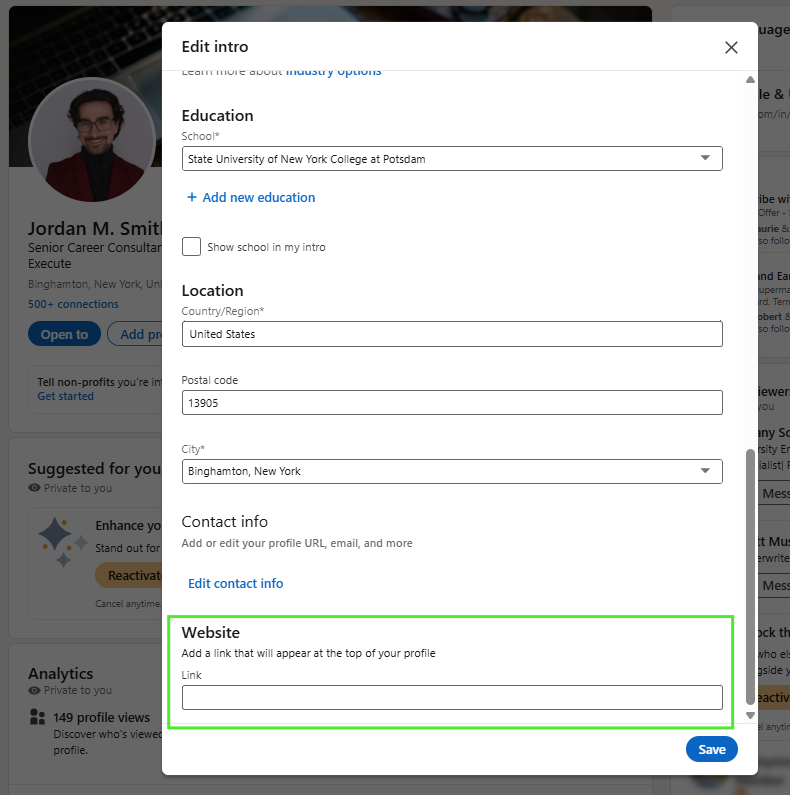
LinkedIn: You can also add it to your LinkedIn profile, where it will be displayed right under your picture and headline. To do so, go to your profile and click on the pencil icon that appears the way to the right of your profile picture. From there, a pop-up option will appear and if you scroll to the bottom, you will see the option to list your website. See image below as well.
Note: Make sure you test out your link(s) to any of your online portfolios.
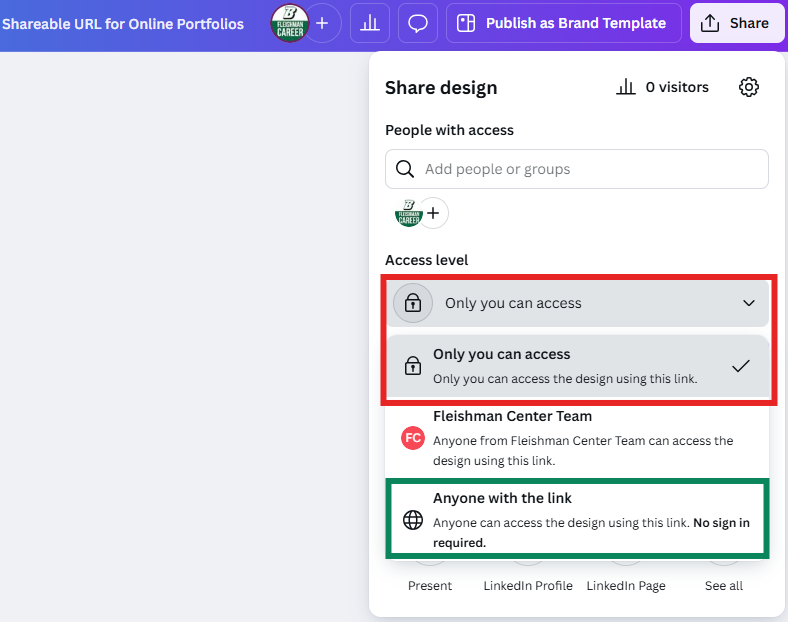
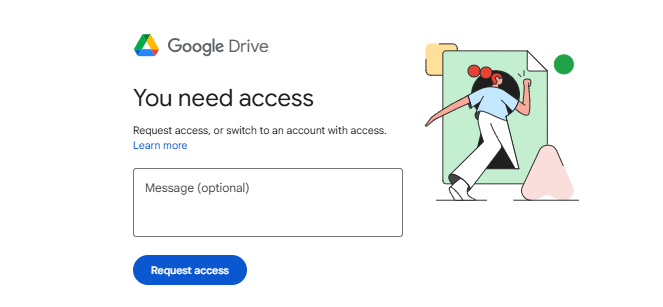
Certain tools may require you to change the permission access for your portfolio to be viewable to an outside audience. You do not want to find yourself in a position where the recruiter has to “request access” to review your portfolio.
Test your link by sharing it with a peer and see if they can open it. Or open an “Incognito” window and paste your link in the Address Bar. Click Enter and see if it opens to your portfolio or shows you a display noting you don’t have access to the page.
This section is where you list your most significant or relevant projects. Unlike a traditional job experience section, this format allows you to highlight your specific role and contributions on a project-by-project basis. It’s a great way to show a hiring manager what you’ve worked on, especially if you have a lot of freelance or short-term work. You can include details like the project title, the director, the year, and your specific role.
Example 1 (Creative-style listing):
- The Last Goodbye (2024) dir. John Smith – Cinematographer
- Local Coffee Shop Commercial (2023) dir. Jane Doe – Editor
- ESPN Live Broadcast (Binghamton Athletics, 2023) – Production Assistant
Example 2 (Traditional bullet-point format):
“The Last Goodbye” | Student Short Film | 2024
- Managed a crew of five to capture all on-location shots, ensuring the director’s vision was met
- Collaborated with the lighting and sound teams to create a cohesive and professional final product
Local Coffee Shop Commercial | Freelance Project | 2023
- Edited raw footage into a 30-second commercial using Adobe Premiere Pro, meeting all client specifications
- Delivered the final commercial ahead of schedule, resulting in a positive client review and a recommendation for future projects
This section is crucial for a film resume, as it quickly highlights the technical and creative tools you can use. Categorize your skills to make them easy to read and to show your proficiency in different areas. List skills horizontally, separated by commas, to save space.
- Example:
- Video Editing: Adobe Premiere Pro, Final Cut Pro, DaVinci Resolve
- Cinematography: Blackmagic Pocket Cinema Camera, Canon C-Series, RED Digital Cinema Cameras, Gimbals
- Audio Production: Pro Tools, Adobe Audition, Sound mixing, Foley
- Software & Design: Adobe After Effects, Adobe Photoshop, Avid Media Composer
- On-Set Skills: Gaffing, Gripping, Production Assisting, Script Supervising
You don’t need a professional internship to build a strong film resume. Many opportunities exist for college students to gain experience and build a portfolio. Being creative and proactive is key, especially when you’re just starting out.
- Look for opportunities on campus: Get involved with student organizations like the Film and Production Society or Binghamton Sound, Stage, and Lighting (BSSL). You can also look for part-time jobs, such as a Film Projectionist at the Binghamton Cinema Department or a Production Assistant for the ESPN Live Broadcast of Binghamton Athletics. These roles offer hands-on experience and a chance to work on a team.
- Take initiative: Create your own projects. Offer to film a video for a friend’s birthday, document a local event, or create content for a campus group. Even if it’s a small project, it’s a chance to practice your skills and add a piece to your portfolio.
- Use your coursework: Be intentional about your class projects. If you have an opportunity to make a short film or video, put extra effort into it to ensure it’s a quality piece you can add to your portfolio.
- Volunteer: Seek out local film sets, festivals, or production companies looking for volunteers. This is a fantastic way to network and gain hands-on experience in a professional environment.
Remember, having a portfolio is vital in the creative
Janett Salas’s video, “How to Create a Killer Film Production Resume,” offers valuable insights into the two main types of film resumes: a list of film and TV credits or a detailed bullet-point resume.
Quote from Salas:
“I know people that get jobs from resumes that look just like [a credit list], and I also know others that get jobs with the second option, a detailed bullet point resume… Either option can show expertise and give the hiring manager enough context… The second option gives the employer more information to work off of when comparing candidates.”
| Credit-style resume: | Detailed bullet-point resume: |
| This is similar to an acting resume and is often used by industry professionals. It’s a quick way to list your experience.”I’ve come across resumes from a variety of film professionals, and they usually look one of two ways: a list of film and TV credits or a detailed bullet point resume… The list of film and TV credits option is similar to that of an acting resume, where they include their contact info, and then list the name of the production, director, and their role.” | This format provides more context about your responsibilities and impact on a project.”The second option may breakdown to something like this: Full House -ABC Studios – Production Manager | Jan – March 2012. Managed 5 production assistants during the pre-production phase in order to ensure filming began on-time and on-budget. During production, created weekly budget reports to deliver to the EP.” “Either option can show expertise and give the hiring manager enough context of your background to want to speak to you. I’ve personally have tried both options, and have found that either option gets you in the door, but the second option gives the employer more information to work off of when comparing to candidates side by side.” |
Q & A:
For more detailed guidance on specific sections of your resume, check out Sam Wright’s comprehensive FAQ section, which covers everything from layout to skills.
- How to Write a Film Resume
- Film Resume Outline
- Which Resume Layout Should a Film Professional Use?
- What Your Film Resume Header Should Include
- What Are the Most Common Film Responsibilities?
- What Your Film Resume Experience Should Include
- What’s the Best Education for a Film Resume?
- What’s the Best Professional Organization for a Film Resume?
- What Are the Best Awards for a Film Resume?
- What Are Good Volunteer Opportunities for a Film Resume?
- What Are the Best Hard Skills to Add to a Film Resume?
- What Are the Best Soft Skills to Add to a Film Resume?
- What Are the Best Certifications for a Film Resume?
- Tips for an Effective Film Resume
- How Long Should I Make My Film Resume?
- What’s the Best Format for a Film Resume?
- What Should the Focus of a Film Resume Be?
Examples:
Looking at examples is one of the best ways to get inspired and understand different resume styles. However, be mindful that not all creative examples are ATS-compliant. It’s important to have a clean, text-based version of your resume on hand.
| Title and Author | Introduction to Resource | Links to Examples |
| 8 Film Resume Examples by Sam Wright | This article offers a variety of film resume examples, from Production Assistant to Cinematographer, providing a comprehensive look at how different roles can be highlighted. The article also includes an extensive FAQ section that answers common questions about film resumes. | Production Assistant Resume Cinematographer Resume Film Editor Resume |
| 25 Filmmaker Resume Examples and Templates for 2025 By Frank Hackett, Certified Professional Resume Writer (CPRW) Reviewed by Stacie Haller, Chief Career Advisor | A comprehensive resource with examples and templates for various filmmaking roles. It provides practical advice on how to structure a resume, write a summary, and highlight your experience. This resource also includes text-only templates, which are great for ATS-compliance. | Entry-Level Filmmaker Resume Video Editor Text-Only Resume |
| Film Templates from Template.net | A collection of professional, creative, and simple film resume templates that you can download and customize. These are a great starting point for seeing how different sections can be laid out. | Entry-Level Film Crew Resume Template Free Film Resume Template Film Production Apprentice Resume Template |
Template:
To help you get started, we’ve created a downloadable Google Doc that you can use as a template. This template is designed to be ATS-compliant and includes all the common sections discussed in this guide. Think of it as a foundation—you can edit, rearrange, or remove any sections to best fit your personal experience.
[Binghamton Film Resume Template (Click to make a copy of the template)
Just like with resumes, seeing great portfolios can give you a lot of inspiration. On the following resource, there are some excellent examples to help you see how professionals showcase their work.
Career Support & Sources:
As you explore this resource, we encourage you to take advantage of everything available to support your career journey. Below, you’ll find the sources and contributors that made this guide possible, multiple ways to connect with our office for personalized career support, and some important reminders to keep in mind as you plan your strategy. Be sure to check them out, and remember, our team is always here to help you move forward with confidence and clarity.
| Reminder | What This Means for You |
|---|---|
| Use Multiple Sources | Information about careers and education can vary depending on where you look. Try checking several websites and resources when researching anything related to your career development (for example: job outlooks, salaries, industry trends, graduate programs, or fellowships, etc.). This will help you get a fuller, more accurate picture of what employers or admissions committees are looking for. |
| Make Sure to Network | Talking directly with people associated with your career goals or the programs/companies you’re interested in can give you the clearest and most useful insights. Reach out to professionals, recruiters, alumni, or current students to learn what really matters in your field (for example: company expectations, hiring timelines, résumé preferences, graduate program requirements, etc.). Even within the same industry or graduate program type, different organizations and admissions committees may value things differently. Listening carefully to their guidance can help you put your best foot forward. |
| Use AI Ethically in Career Development | AI tools can be a great resource for brainstorming, polishing materials, or practicing interview questions (for example: outlining position description details to guide your documents, generating practice questions, etc.). But it works best when you use it thoughtfully and make sure the final work reflects your own skills and voice. Some employers and graduate programs may not allow AI, so always check instructions carefully. Think of AI as a helper, not a replacement—and remember, Career Consultants are happy to guide you on how to use it effectively! |
| Be Aware of Employment Scams | When searching for jobs or internships, it’s important to stay alert for potential scams—especially when exploring positions outside of Binghamton’s Handshake. Common warning signs include requests for personal or financial information upfront, job offers without interviews, or anything that seems “too good to be true.” To learn more about what to watch for, see real examples, and find out how to protect yourself or respond if you encounter a scam, check out Employment Scam Information – Binghamton University. Staying informed helps you pursue opportunities safely and confidently. |
Drop-ins: When classes are in session, Monday-Friday, from 12-4 p.m., you can visit our office to schedule a 20-minute drop-in with our staff.
Appointments: You can schedule your 30-minute career session on Handshake. These are offered all year and can be done virtually and in person.
Online Resources: Visit uConnect, our virtual career center that is always accessible to support your career needs.

Picture Source: Freepik.com
Website Sources:
This guide was created using a mix of expert resources, professional articles, and tailored advice for Binghamton students. All external sources are credited throughout and listed here:
Hackett, Frank. “25 Filmmaker Resume Examples and Templates for 2025.” Zety, zety.com/resume-examples/filmmaker-resume.
Salas, Janett. “How to Create a Killer Film Production Resume.” YouTube, 23 July 2020, www.youtube.com/watch?v=1F_6E_tX-9I.
Sam Wright. “8 Film Resume Examples.” Huntr, huntr.co/resume-examples/film.
Template.net. “Film Templates.” Template.net, www.template.net/film.
AI Assistance: Portions of this resource may have been developed with support from AI tools (such as ChatGPT by OpenAI or Gemini), used to help synthesize research, generate summaries, and refine formatting. All final content has been reviewed and customized for Binghamton University students.
