Exploring Majors & Careers
The exploring majors & careers cluster focuses on career exploration and self-discovery through exposure to a diverse array of career information, career exploration events, and opportunities to connect with alumni and employers from a variety of fields. The process of exploring majors and careers is an exciting way to ensure there is alignment across your interests, skills, values, tasks, and industry preferences.
Students often find themselves in one of the four categories below. Select the category that best reflects where you are in your career exploration journey to discover resources and action steps that can help you build confidence and move forward.
All students are encouraged to meet with a career consultant to develop a specific exploration action plan that fits their individual needs and interests.
“I’m truly exploring, and I’m unsure where to start“
Understanding your personal interests, values, and skills is a crucial starting point for this process. You also want to gain more exposure to careers and industries to see where your natural interests lie.
Questions to Consider:
- What careers do you have in mind, and what attracts you to those careers?
- What majors do you have in mind, and what classes seem most interesting to you?
- What are hobbies or interests that you’d like to explore further?
- Is there an industry or cause you are drawn to?
- What challenge do you want to solve?
- What skills do you have that you want to use in the future?
Action Steps:
- Start asking questions to family and friends about their careers.
- Explore the academic department pages of the majors you are thinking about. Pay attention to the courses you would need to take and the ‘Major in a Minute Videos’ to help eliminate majors that would not be a good fit.
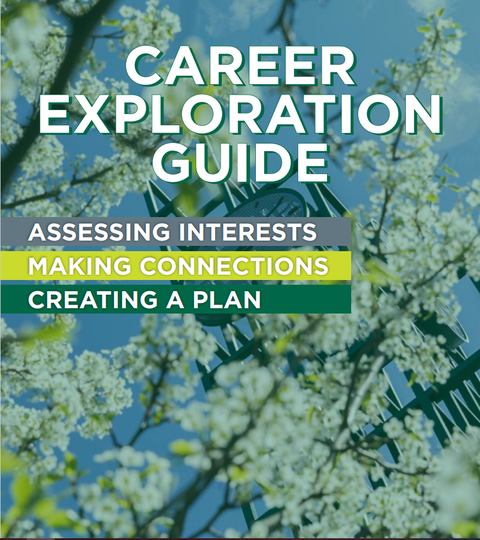
- Meet with a career consultant and work through some of the exploration exercises in the Career Exploration Guide.
- Take CDCI 200, our career exploration course that helps students work through the exploration process. This is great for students who need a little bit of accountability!
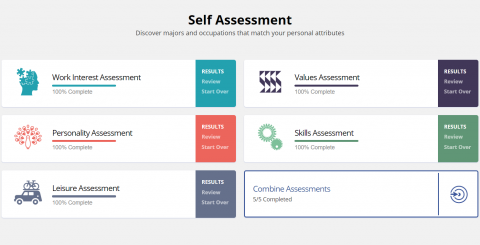
- Check out the Focus 2 self-assessment that helps students understand their interests, values, skills, work interests, and personality, and their relation to careers. Make sure, as you work your way through the assessment, that you save careers to return to when you meet with a career consultant for your results interpretation.

“When picking a major, I felt overwhelmed with all of the different majors to choose from and the jobs that they lead to. My academic advisor recommended that I take CDCI 200, a major and career exploration class through the Fleishman Center. By taking this class, I was able to break down all of the majors offered and find the one for me.”
“I picked my major, but I’m not sure what careers would be a good match for me“
Choosing a major is an important step, but it’s just the beginning of connecting your academic experience to potential career paths. At this stage, the goal is to explore how your major translates into real-world opportunities, what skills you’re building, what careers align with those skills, and what paths others with similar backgrounds have taken.
Questions to Consider:
- What major did you pick and why?
- What classes have been the most interesting to you and why?
- What skills are you gaining from the classroom?
- What connection or exposure have you had related to careers during your class?
- What do I know about careers within this particular field of study, or industry?
Action Steps:
- Start asking questions! You may have a TA in your courses, but you will certainly have a professor. Ask them about their career path or knowledge about alumni who have graduated with this particular major.
- Check out the student outcomes module through the Virtual Career Center. Students can filter major options and understand what the first destinations are for both graduate school and employment.
- Use the alumni feature on LinkedIn to find alumni career paths. You can filter by major and then explore what alumni have done through internships, student organizations, jobs, and whatever else you can explore through their professional profile.
- For visual learners, Candid Career is a great place to filter videos by major and learn about the different careers that people have gone on to pursue.
- Within the Focus 2 platform, students can use the filter, ‘What Can I Do With This Major’, and explore majors they have an interest in and careers closely associated with them.
“As an undergraduate student exploring different career paths, it can feel very overwhelming at times. When trying to gain career clarity, I did lots of research on different careers. I also used resources at the Fleishman center, such as the career exploration guide and the Focus2 assessment, to help aid me in my exploration, which made the process a lot smoother and contributed to my development of a solid career plan with a clear timeline and steps.”

“I have a career in mind, but I’m not sure what major would best prepare me”
Having a specific career in mind is a great starting point, but the next step is figuring out which academic path will best support that goal. This stage is about understanding the skills, experiences, and qualifications needed for your desired career, and then identifying majors that can help you build that foundation. As you explore, you may also find that there are multiple pathways to the same career, helping you make a more informed and flexible decision about your major.
Questions to Consider:
- What career do you have in mind? Why?
- What skills do you think you would need for this career?
- What experiences do you think you would need for this career?
- What major provides you with the opportunity or exposure to gain those skills?
- Does the career have specific academic qualifications or exams that would require a specific major?
- Does my major matter? Or, can I supplement with other experiences?
Action Steps:
- Take a look at the Occupational Outlook Handbook, where there are a variety of ways to search careers from the occupation groups, to the highest paying, field of degree, fastest growing, and more. Once you identify a job you are interested in, click on it and toggle to “how to become one.” This will highlight any academic expectations that would need to be met and can often provide guidance on majors that would be a good fit. Additionally, filtering by “field of degree” takes you to explore careers that align with that particular major based on skills or academic knowledge needed.
- Learning from Binghamton University alumni can be a great way to understand the multitude of pathways to reach your career goals. Create a MentorMatch account and filter by major or industry. This is a great way to identify alumni in a career you have in mind: either check out their profile to see what major they chose, or, even better, reach out to alumni to talk about how they chose their major and what the benefits were for their particular career path.
- Check out the alumni feature on LinkedIn. Focus on alumni who are in your career interest areas, and check to see what major they chose!

“When picking a major, I felt overwhelmed with all of the different majors to choose from and the jobs that they lead to. My academic advisor recommended that I take CDCI 200, a major and career exploration class through the Fleishman Center. By taking this class, I was able to break down all of the majors offered and find the one for me.“
“I picked my major, and I know what career I’m working towards. Now what?”
Once you’ve identified both your major and a career goal, the focus shifts to taking action and building toward that path. This stage is about confirming fit, strengthening your network, and intentionally developing the skills and experiences needed to be competitive.
Questions to Consider:
- How do I know this career is a good fit for me?
- How do I know this major is a good fit for me?
- What connections do I have within this career/industry?
- What skills do I have that are relevant to this particular career path?
- What experiences should I be planning for to make me competitive in this industry?
Action Steps:
- Now that you have identified the career you are working towards, assess and expand your network. Who do you know in your network that has experience or connections in that particular field? If you could use some work in this area, use LinkedIn or MentorMatch to reach out to alumni. This is a great way to ask for advice about preparing for your career, including what skills are important, what the interview process is like, and what a typical workday looks like.
- Understanding your skills is important as you start to assess what you can work on during school to be competitive for internships, jobs, and graduate school. Take a look at aspirational job descriptions, what skills are they looking for, and what are the ways you could gain those skills while being in school? Think about training, events, and online certifications; there are many ways to gain skills!
- Skills Labs are a great way to learn in-demand industry skills. These spaces are collaborative and provide students with an opportunity to network with peers, employers, and alumni. To check out our skills lab lineup, you can visit our events calendar in the Virtual Career Center.
- Finding an internship or other experiential learning opportunity is a great way to gain skills and expand your network. The Fleishman Career Center has a variety of tools to help you find and secure an internship. Students are encouraged to come visit us so we can help!
“Putting myself out there and having genuine conversations with people from diverse backgrounds helped me better understand my goals. Staying curious and exploring my environment ultimately led me to discover the path that feels right for me.”

Explore Through Action
Students are encouraged to explore through action as well. This could be an internship, research experience, studying abroad, community engaged learning and so much more! Short-term experiences are also great ways to gain experience and explore. Check out the details about these shorter-term experiences on the ‘Gain Experience and Internships’ page.
Personalize Your Career Experience!
As you intentionally explore and begin feeling more excited and confident in your career interests, be sure to update your content preferences by selecting an industry career cluster so you receive personalized career advice, opportunities, and events!